
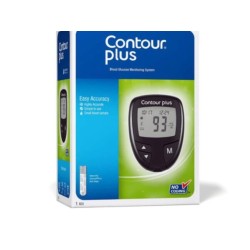
Contour Plus Meter Glucometer — available at DiabetesStore.com.bd
As the air cools down and winter settles across Bangladesh, daily routines quietly shift. We wake up a little later, we feel hungrier earlier in the evening, and the smell of hot khichuri or shorshe ilish is hard to resist. These small changes can have a bigger effect on blood sugar than many people realise.
If you are living with diabetes, when you eat can matter just as much as what you eat. Getting your meal timing right during the colder months is one of the most practical and low-cost steps you can take to support steady blood sugar levels throughout the day. Let us walk through this together, in simple, everyday language.
Why Meal Timing Matters for Blood Sugar
Your body handles food differently depending on the time of day. After a meal, blood sugar rises as your body breaks down carbohydrates into glucose. Over the next few hours, it gradually comes back down. When meals are spaced too far apart — or eaten in one large rush late at night — the body can struggle to keep those levels stable.
For people managing diabetes, keeping those rises and falls gentle and predictable is the goal. Consistent meal times help your body know what to expect, making it easier to keep blood sugar within a healthy range.
What Happens to Blood Sugar Between Meals?
When you skip a meal or go too long without eating, blood sugar can drop lower than comfortable — a state called hypoglycaemia. On the other hand, if you eat a very large meal after a long gap, blood sugar may spike sharply. Both extremes put extra stress on the body. Regular, reasonably sized meals help avoid both situations.
How Winter Changes Your Appetite and Schedule
During Bangladesh's colder months — roughly November through February — several things change:
- Appetite increases. Cooler weather makes many people feel hungrier, and rich, warming foods become more tempting.
- Activity levels may drop. When it is chilly outside, morning walks and outdoor exercise sometimes get skipped.
- Mealtimes shift. Sunrise comes later, so breakfast may be pushed back. Longer evenings can lead to later dinners or extra evening snacks.
- Layering up can mask symptoms. Signs of low or high blood sugar — like sweating or feeling cold — may be harder to notice under warm clothing.
Understanding these patterns helps you plan ahead rather than react after the fact.
Simple Meal Timing Guidelines for People with Diabetes
There is no single schedule that works for everyone, but the following general approach is widely recommended by diabetes care professionals. Always check with your own doctor or dietitian for advice tailored to you.
Starting the Day Right: Breakfast Timing
Try to eat breakfast within one to two hours of waking up. In winter, when mornings feel slow and cosy, it can be tempting to delay that first meal. Skipping or delaying breakfast too long can cause blood sugar to dip, making you feel shaky, irritable, or overly hungry by mid-morning — which can lead to overeating.
A balanced breakfast might include a small amount of whole grain roti or oats, paired with eggs, dal, or a small serving of low-fat yoghurt. The goal is to include some protein and fibre to slow down sugar absorption.
Spacing Out Lunch and Dinner
Aim to eat every four to five hours. A common and workable schedule for many Bangladeshis might look like this:
- Breakfast: 7:30 – 8:30 AM
- Lunch: 1:00 – 2:00 PM
- Dinner: 7:00 – 8:00 PM
Try to keep dinner at least two to three hours before bedtime. Eating a heavy meal just before sleeping means your body is processing a large amount of food while at rest, which can push blood sugar higher overnight. In winter, people often feel sleepy earlier, so watch that dinner does not creep too close to bedtime.
Smart Snacking Between Meals
If there is a long gap between meals — more than five hours — a small, planned snack can help keep blood sugar steady. Good options include:
- A small handful of mixed nuts
- A piece of seasonal fruit like guava or amla (Indian gooseberry)
- A few whole grain biscuits with a boiled egg
- A cup of unsweetened or lightly sweetened tea with a small amount of chickpea snack
The key word here is planned. Unplanned snacking — reaching for mishti or deep-fried shingara out of boredom or warmth-seeking — adds carbohydrates and fats that can push blood sugar in the wrong direction.
Winter Foods in Bangladesh and Blood Sugar Impact
Bangladesh's winter brings a wonderful variety of fresh vegetables and fruits to local markets. This is actually great news for people with diabetes, because many of these seasonal foods are nutritious and blood sugar-friendly.
Common Winter Vegetables to Embrace
The following winter vegetables are widely available across Bangladesh and are generally lower in starch, making them helpful choices:
- Phulkopi (Cauliflower): Versatile, low in carbohydrates, and rich in fibre.
- Shim (Flat beans): A good source of plant protein and fibre.
- Laal shaak (Red spinach) and palang shaak (Spinach): Packed with nutrients and very low in carbohydrates.
- Tomato: Rich in vitamins and low in natural sugars.
- Gajar (Carrot): Moderate in natural sugars — enjoy in reasonable portions.
- Mula (White radish): Low in calories and good for digestion.
Filling half your plate with these vegetables at lunch and dinner is a practical way to feel full without spiking blood sugar.
Foods to Watch During Colder Months
Winter also brings some food temptations that need a little more care:
- Pitha and mithai: Traditional winter sweets made with rice flour, molasses, and coconut are delicious but high in refined carbohydrates and sugar. Enjoy in very small portions on special occasions, not daily.
- Date palm juice (khejurer rosh): This seasonal treat is high in natural sugar and can raise blood sugar quickly. A small cup occasionally is generally fine, but large amounts are best avoided.
- Heavy, oily winter curries: Rich meat or fish preparations cooked with extra oil for warmth can add significant saturated fat. Cooking with a measured amount of mustard or olive oil is a better approach.
Practical Tips for Staying on Schedule in Winter
Knowing what to do and actually doing it every day in cold weather are two different things. Here are some friendly, realistic strategies to keep your meal timing on track.
Using a Daily Routine Chart
Write down your intended meal times at the start of each week and stick it somewhere visible — on the fridge, near your prayer mat, or by the tea kettle. It does not need to be a complex chart. Something as simple as:
Breakfast 8 AM | Morning snack 11 AM | Lunch 1:30 PM | Evening snack 5 PM | Dinner 7:30 PM
…can be enough of a reminder to keep you consistent. Share the schedule with a family member — having someone gently remind you at mealtime can make a big difference.
Monitoring Blood Sugar Around Mealtimes
One of the most useful habits you can build is checking your blood sugar at regular times — typically before a meal and one to two hours after. This shows you how your body responds to different foods and timings, so you can make small adjustments that suit your personal pattern.
A reliable glucometer makes this easy to do at home without a clinic visit. Keep glucose test strips stocked so you never have to skip a reading because you have run out. Tracking your readings in a simple notebook or phone app helps you and your doctor spot patterns over time.
If you notice your post-meal readings are consistently higher after dinner than after lunch, that is useful information — it might mean your dinner portion is too large, or that you are eating too close to bedtime.
You can find home monitoring supplies, including diabetes testing supplies, at our store to make this part of your winter routine easier and more affordable.
Frequently Asked Questions
Q: Is it okay to eat fewer, larger meals instead of smaller, frequent meals?
A: This depends on the individual. Some people manage well with three moderate meals and no snacks. Others find that smaller, more frequent meals keep their blood sugar steadier. Talk to your doctor or dietitian about what works best for your situation and any medicines you may be taking.
Q: Does cold weather directly affect blood sugar levels?
A: Cold weather itself can affect how the body responds to glucose, and reduced outdoor activity in winter can also play a role. That is why paying attention to meal timing and physical activity during the colder months is especially worthwhile.
Q: Can I drink more chai (tea) in winter without worrying about blood sugar?
A: Plain tea without sugar or with a very small amount of sugar is generally fine. The concern is with large amounts of sugar added to multiple cups of tea throughout the day, which adds up quickly. Try reducing sugar gradually — many people find their taste adjusts within a few weeks.
Q: What should I do if I feel shaky or dizzy between meals in winter?
A: Check your blood sugar if you can. If it is low, a small, fast-acting carbohydrate — like a few glucose tablets or a small glass of fruit juice — can help raise it quickly. Always follow your doctor's guidance on managing low blood sugar episodes.
Q: Does the time I take my diabetes medicines affect my meal timing?
A: Yes — for many people, the timing of meals should be coordinated with their medicines. Your doctor or pharmacist is the right person to advise you on this. Never adjust medicine timing on your own.
Disclaimer: This article provides general information about meal timing and diabetes self-care and is not a substitute for professional medical advice. Every person's diabetes management needs are different. Please consult your doctor, dietitian, or pharmacist before making changes to your diet, routine, or medicines.
]]>